
Football in Mexico: More than a sport, a way of life
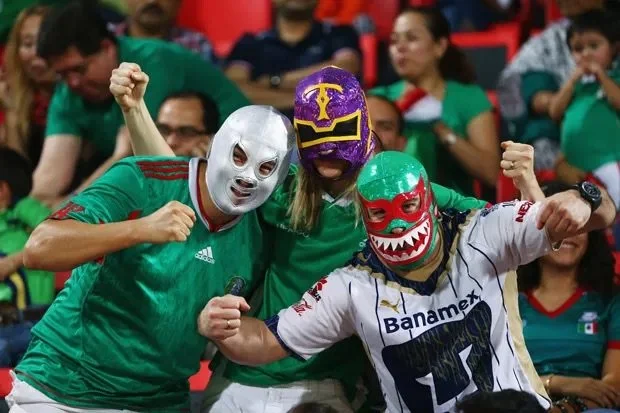
If you've ever been in Mexico City on a match day, you already know. The streets get quieter right before kickoff. Then, the moment a goal goes in, the whole city erupts. Car horns, screaming from open windows, strangers hugging on the sidewalk. It doesn't matter which team you support, at that moment, everyone is Mexican.
Football here isn't entertainment. It's identity.
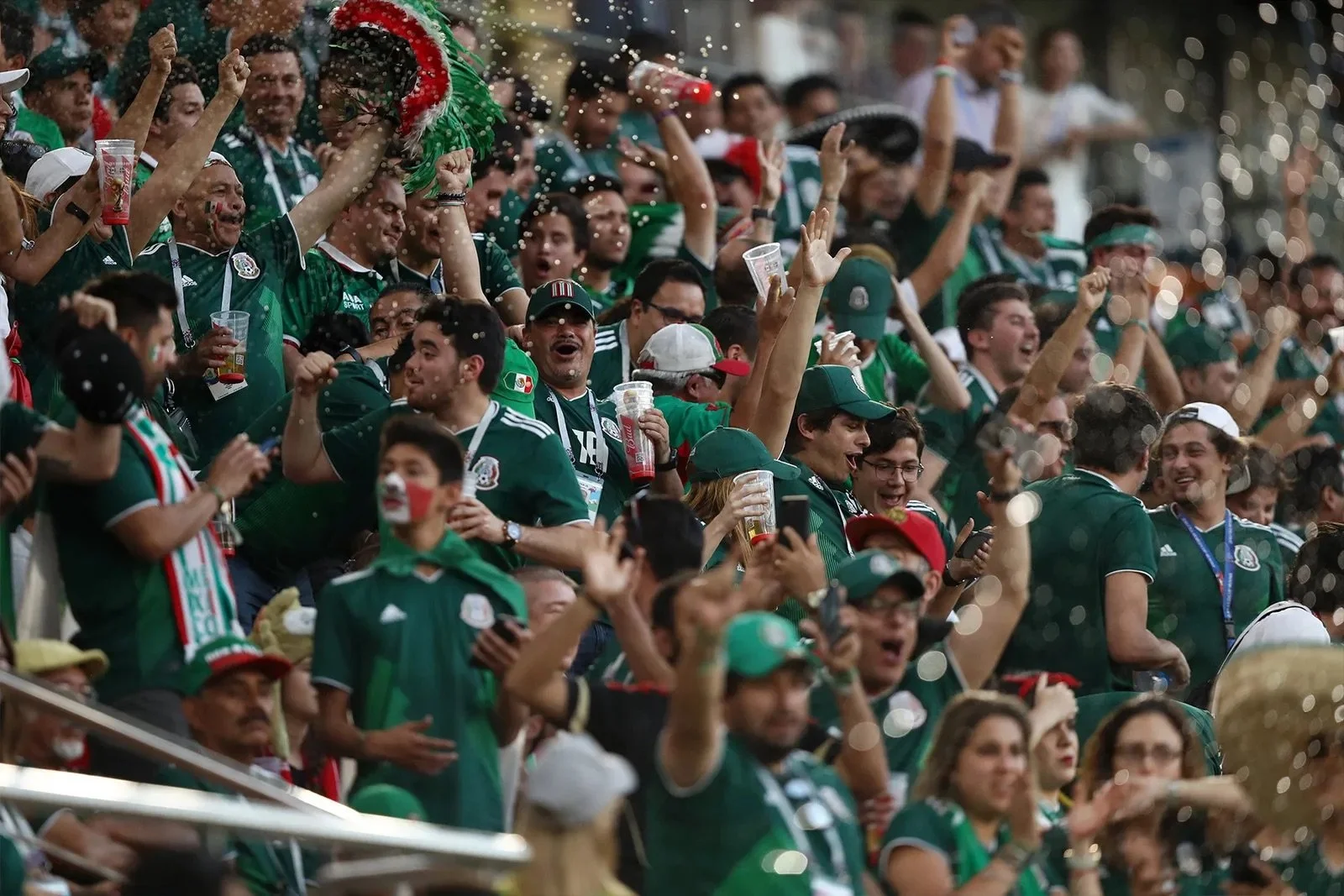
Where passion lives
Mexico has some of the most iconic stadiums in the world, and two of them sit right here in the capital.
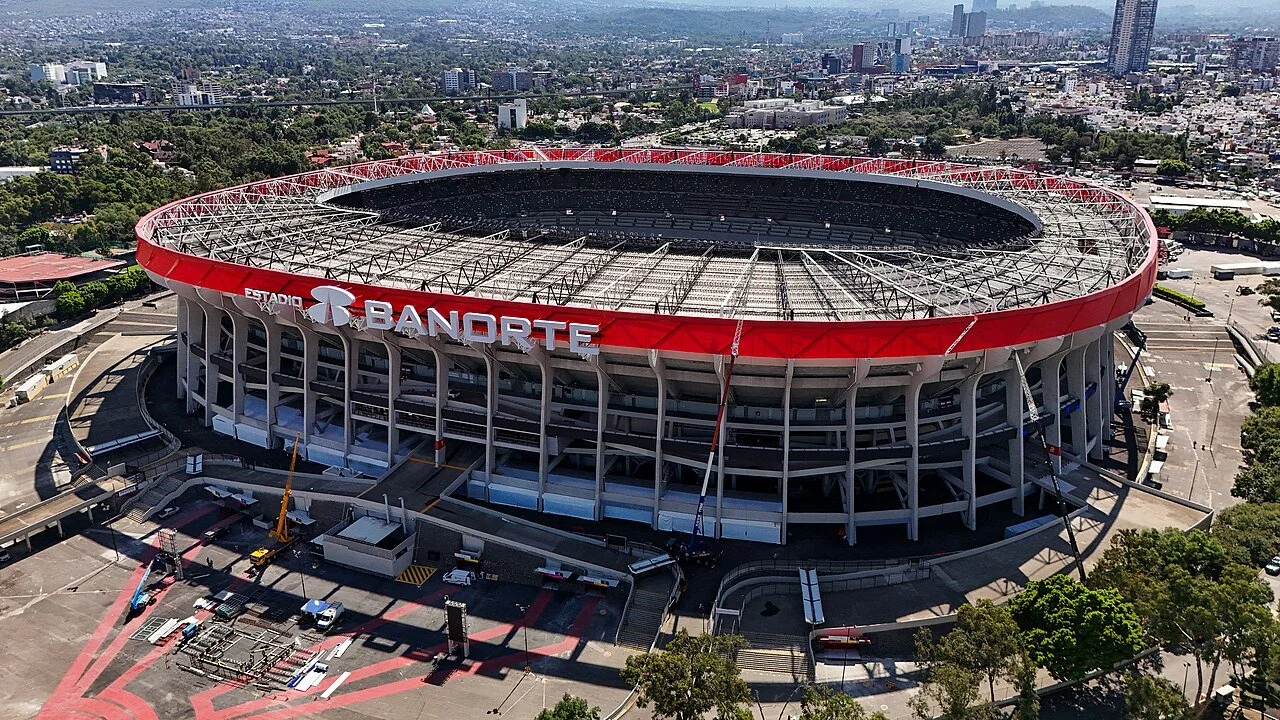
Estadio Azteca is the one everyone knows. Built in 1966 and holding over 87,000 people, it's the only stadium in history to have hosted two World Cup finals (1970 and 1986). It's where Diego Maradona scored the Hand of God and, four minutes later, the Goal of the Century. Walking into the Azteca for a match is one of those experiences that stays with you. The noise, the color, the sense that you're standing somewhere history was made.
Estadio Ciudad de los Deportes, home of Club América's rivals Cruz Azul, is another house of worship for Mexican football fans. Smaller, more intimate, and just as loud when the moment calls for it.
Outside the capital, Estadio Akron in Guadalajara is where Chivas (Club Deportivo Guadalajara) play their home games. Chivas are the only top flight club in Mexico that fields exclusively Mexican players. For many, that makes them the most Mexican team of all.
The clubs that define the rivalry
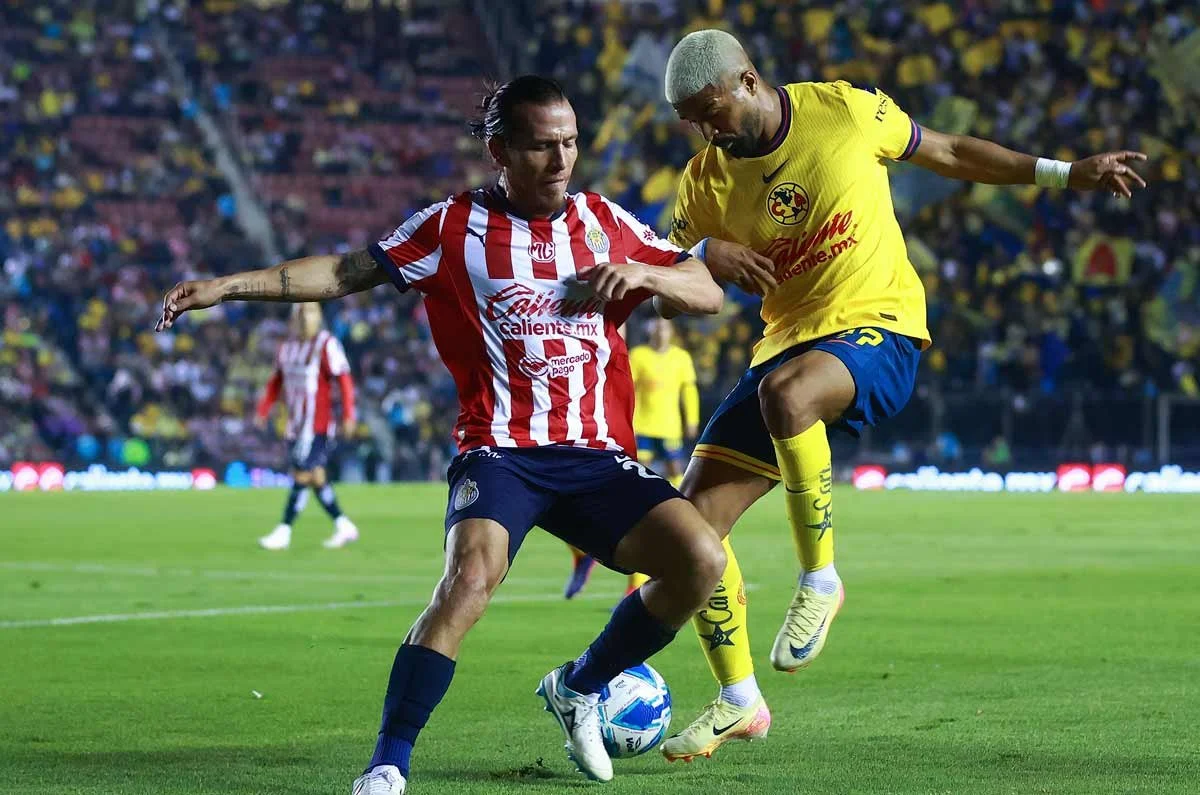
Mexican football runs on passion and on rivalry. The two biggest clubs in the country are Club América and Chivas de Guadalajara, and the match between them (El Clásico) is the most watched club game in the country every single time it's played. It divides families, dominates group chats, and fills stadiums months in advance.
Club América, based in Mexico City and playing their home games at the Azteca, are the most decorated club in Mexican history. They are loved and hated in equal measure, which is exactly what a great football club should be.
Then there's Cruz Azul, Pumas UNAM, Tigres from Monterrey, and Rayados, all clubs with passionate, loyal fanbases that will happily tell you why their team is the only team worth supporting.
The figures who made the world pay attention
Mexican football has produced players who didn't just succeed at home, they went abroad and made an impression that lasted.
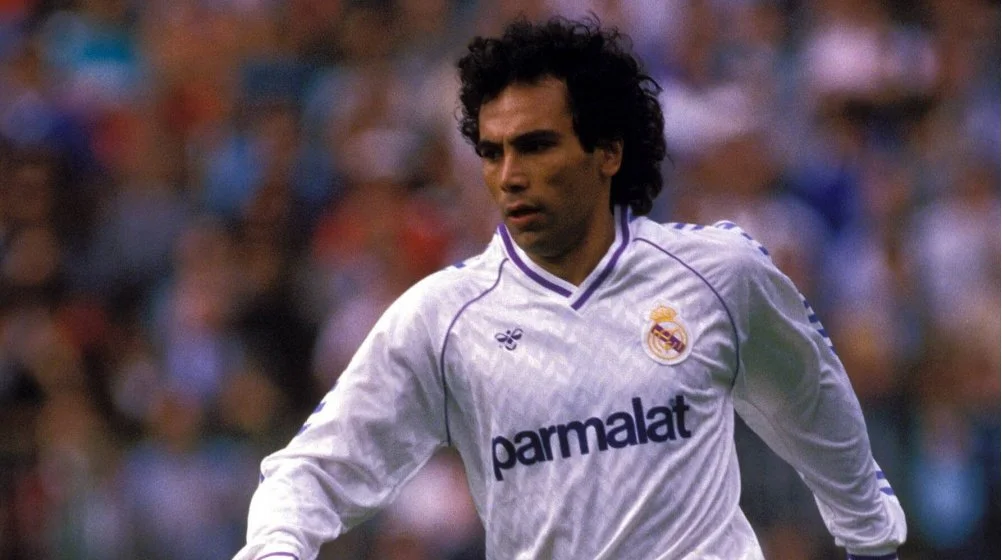
Hugo Sánchez is the name that comes first. A striker from Mexico City, he moved to Real Madrid in the 1980s and became one of the best players in the world, winning five consecutive La Liga titles and scoring goals with a flair that made Spanish fans fall in love with him. He is still, to this day, the standard against which Mexican forwards are measured.
Cuauhtémoc Blanco brought something different: chaos, creativity, and a move: the cuauhtemiña, where he'd trap the ball between his feet and jump past defenders, that no one had seen before and no one could quite stop. He played in the MLS, became a cultural figure, and eventually became the governor of the state of Morelos. Only in Mexico.
Javier "Chicharito" Hernández broke through at Manchester United under Sir Alex Ferguson, becoming the first Mexican to play for the club and going on to score goals across Europe. He made Mexicans believe that their players could compete at the highest level, week in, week out.
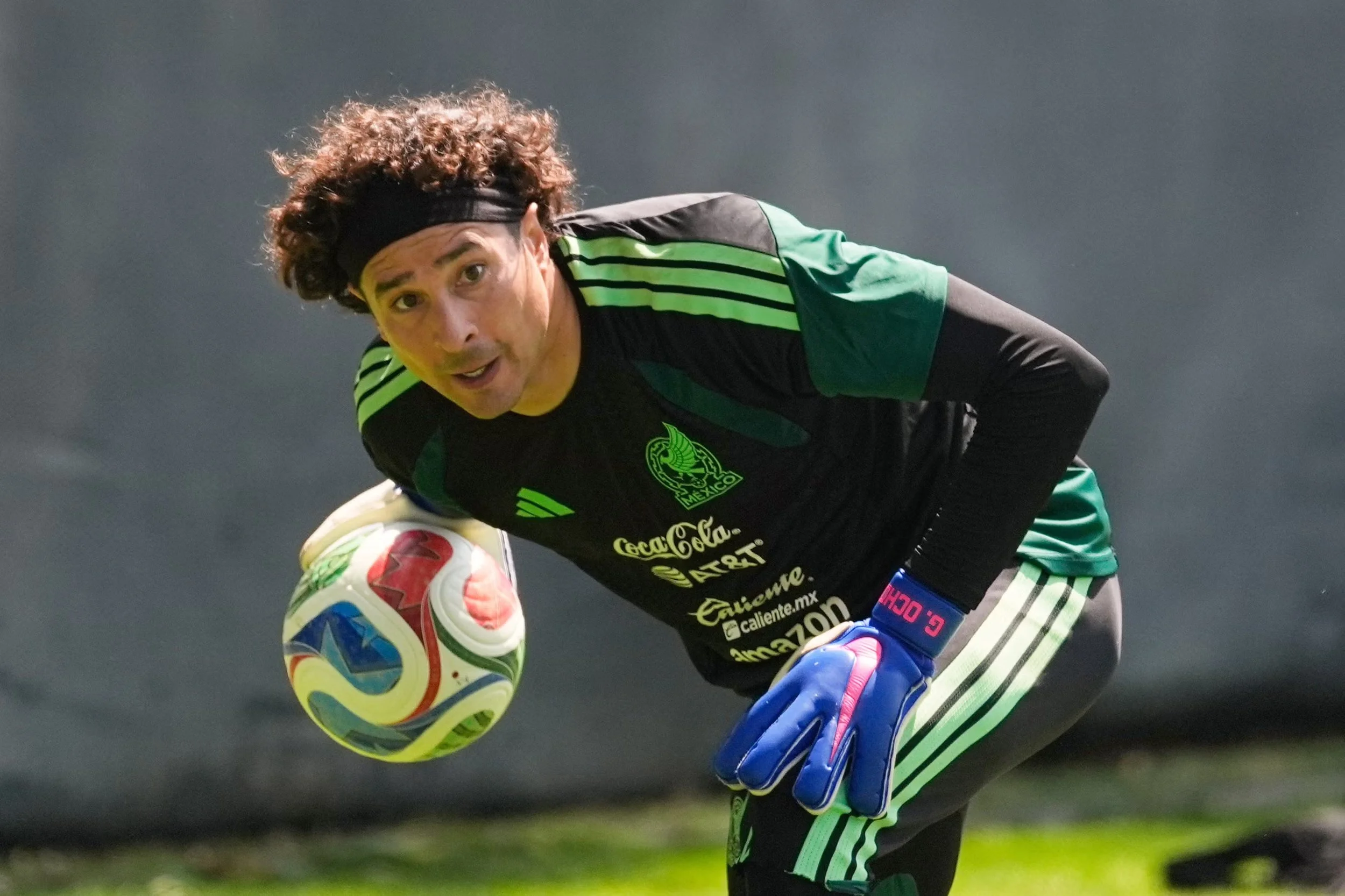
And Guillermo Ochoa, the goalkeeper who has become something of a national symbol, somehow managing to be Mexico's most important player at five consecutive World Cups. At every tournament, when Mexico faces a giant, Ochoa is the one who keeps them in the game.
What football feels like in Mexico City right now
With the 2026 World Cup opening match being played at Estadio Azteca, the city is carrying an energy that's hard to describe. Flags in shop windows. Murals going up on walls. Conversations in every café about who Mexico will face, how far they can go, what it would mean.
Roma Norte, where La Palomilla lives, is one of the best neighborhoods in the city to feel all of it. The bars and cafés fill up for every match. The streets celebrate when Mexico scores. And if Mexico goes out, well, that's a different kind of feeling, but it's still shared, and somehow that makes it easier to carry.
Come experience it
If you want to understand Mexico, watching a football match here is one of the fastest ways to get there. We can help you find tickets to a Liga MX game, point you to the best spots in Roma Norte to watch the World Cup with locals, or just make sure you have a great breakfast before a big match day.
La Palomilla is a boutique hotel in the heart of Roma Norte, a neighborhood with 100 years of history, great food, and more football passion than most cities could ever dream of. We'd love to have you here for it.