
Tlaloc: The Rain God who still rules Mexico City
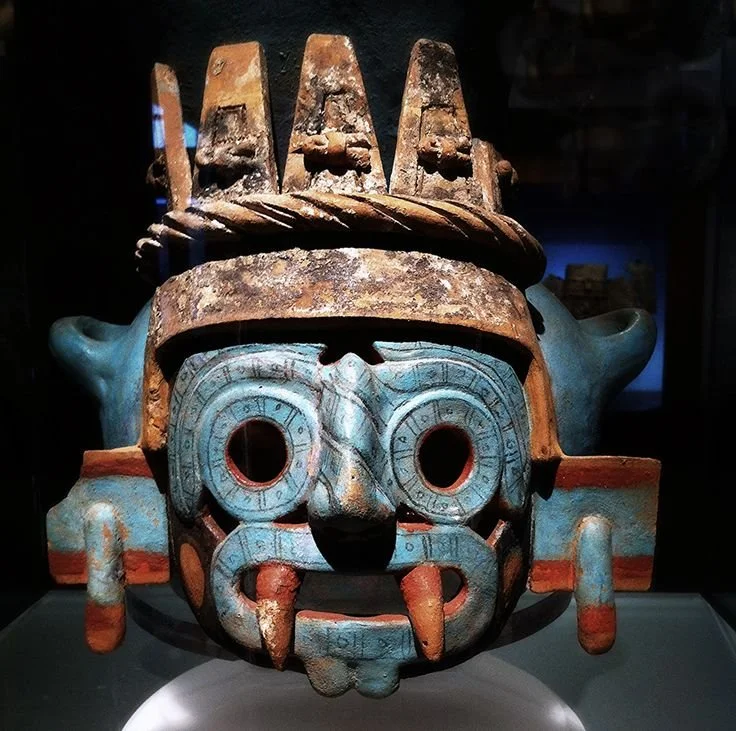
If you've spent any time in Mexico City during July, you already know the drill. The morning is bright and clear, the afternoon starts to get cloudy and by 5 pm the sky opens up like it had somewhere else to be. What most visitors don't know is that this has been happening for thousands of years, and for a long time, people here believed someone was responsible for it.
His name was Tláloc, and he was one of the most powerful gods in the Aztec pantheon.
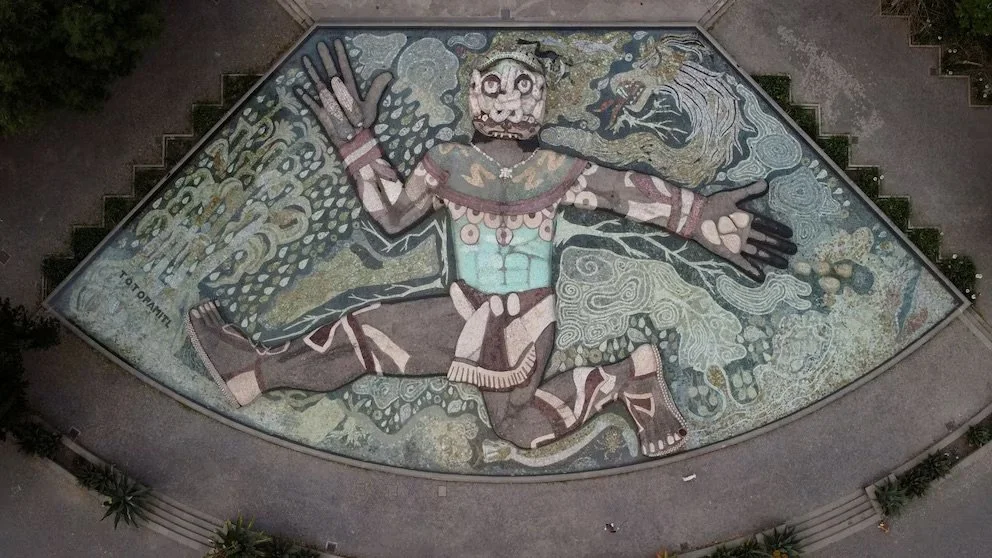
Who was Tláloc?
Tláloc was the god of rain, water and fertility, and his influence stretched far beyond the weather. In a civilization built around agriculture, water wasn't just useful, it was everything. It determined whether the harvest came through or the crops failed, whether the city thrived or starved. That made Tláloc one of the most feared and revered figures in the entire religious world of ancient Mexico.
He's usually depicted with large, goggle-like eyes and fangs, holding a rattle staff that he used to call the rain. His image shows up everywhere in pre-Hispanic art, from ceramic vessels to temple carvings, and it's hard to miss once you know what you're looking for.
The Templo Mayor
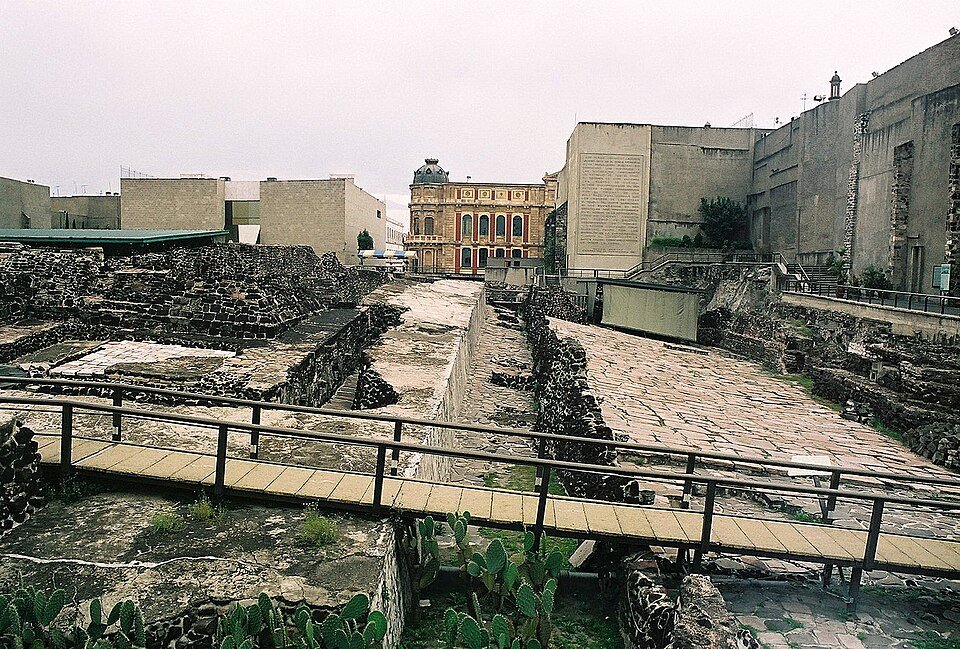
Here's the part that tends to stop people in their tracks. Right in the heart of the Centro Histórico, underneath what is now one of the most visited squares in the world, sits the Templo Mayor, the great pyramid that stood at the center of Tenochtitlan, the Aztec capital. It had two sides. One was dedicated to Huitzilopochtli, the god of war and the sun. The other, just as large and just as important, belonged to Tláloc.
That tells you everything about how central he was to life in this city. War and rain, side by side, holding up the world.
You can visit the ruins of the Templo Mayor today, just steps from the Zócalo, along with a museum that holds some of the most remarkable pieces of Aztec art ever found, including several dedicated to Tláloc himself.
The mountain that bears his name
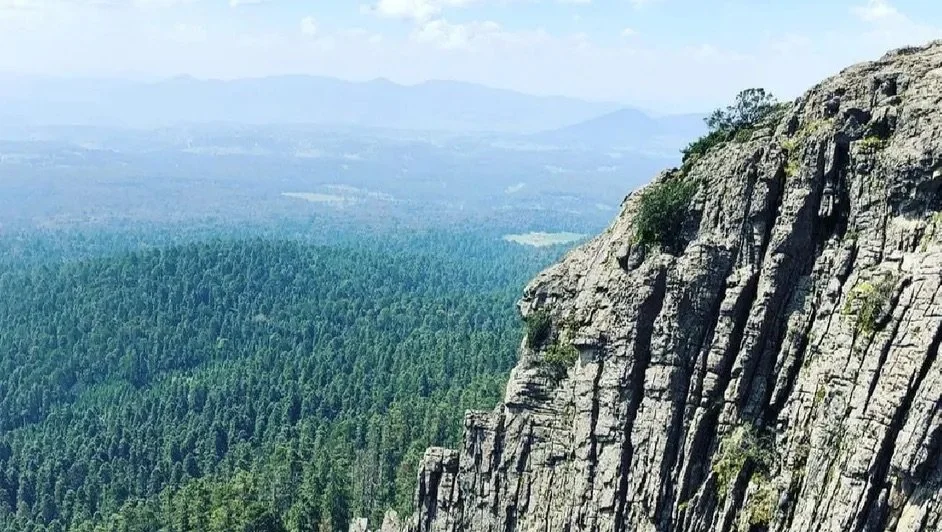
Just outside Mexico City, in the Sierra Nevada mountain range, there is a peak called Tláloc that rises to over 4,000 meters. It was considered a sacred site and a major pilgrimage destination. Every year, ceremonies were held there to ask for rain at the start of the agricultural season. The mountain still carries his name, and on a clear day you can see it from the city.
The day Tláloc moved (and the sky knew about It)
In 1964, Mexican authorities decided to move a massive stone sculpture of Tláloc, weighing around 167 tons, from the town of Coatlinchan to the newly built National Museum of Anthropology in Chapultepec. The day the monolith arrived in Mexico City, an unexpected and violent storm hit the city, one of the heaviest rainfalls the capital had seen in years. Some called it a coincidence. Others weren't so sure. Either way, Tláloc made his entrance felt, and the city has never quite forgotten it.
Check this video!

Why it still matters
Mexico City is built on what was once a lake. Tenochtitlan was an island city, surrounded by water, connected to land by causeways, engineered around the flow of rain and floods. The relationship between this city and water has always been complicated, sacred, and deeply personal.
Today the rains still come every July, right on schedule, just like they always have. The city floods in the same places it always has. And somewhere in the back of the collective memory of this place, Tláloc is still very much part of the story.
Next time the afternoon storm rolls into La Roma and La Condesa and everyone ducks into a café to wait it out, you'll know. This isn't just rain. This is thousands of years of history doing exactly what it's always done.
Stay where the story lives
Mexico City is one of those places that gets under your skin, not just because of what you see, but because of everything that happened here before you arrived. At La Palomilla, our boutique hotel, we make sure every guest leaves knowing this city a little better than when they got here.
If you're ready to experience Mexico City the way it deserves to be experienced, book your stay directly at lapalomillabnb.com. Tláloc will handle the ambiance.