
Frida Kahlo, Mexico's heart on canvas
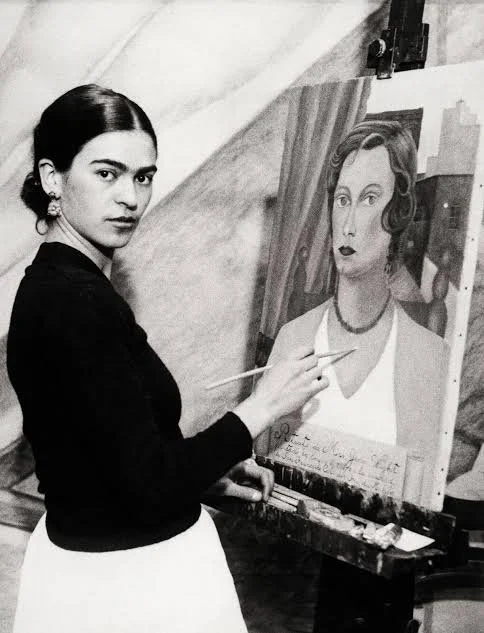
Few artists loved Mexico the way Frida Kahlo did. Her work is full of the country's colors, symbols and traditions, from the flowers in her hair to the pre Hispanic imagery woven into nearly every self portrait she painted. Frida didn't just paint Mexico, she wore it, celebrated it and made it impossible to separate from her own identity. Even her physical pain, the accidents, the surgeries, the years spent recovering in bed, became part of a visual language rooted in Mexican folk art, religious iconography and the deep symbolism of her homeland.
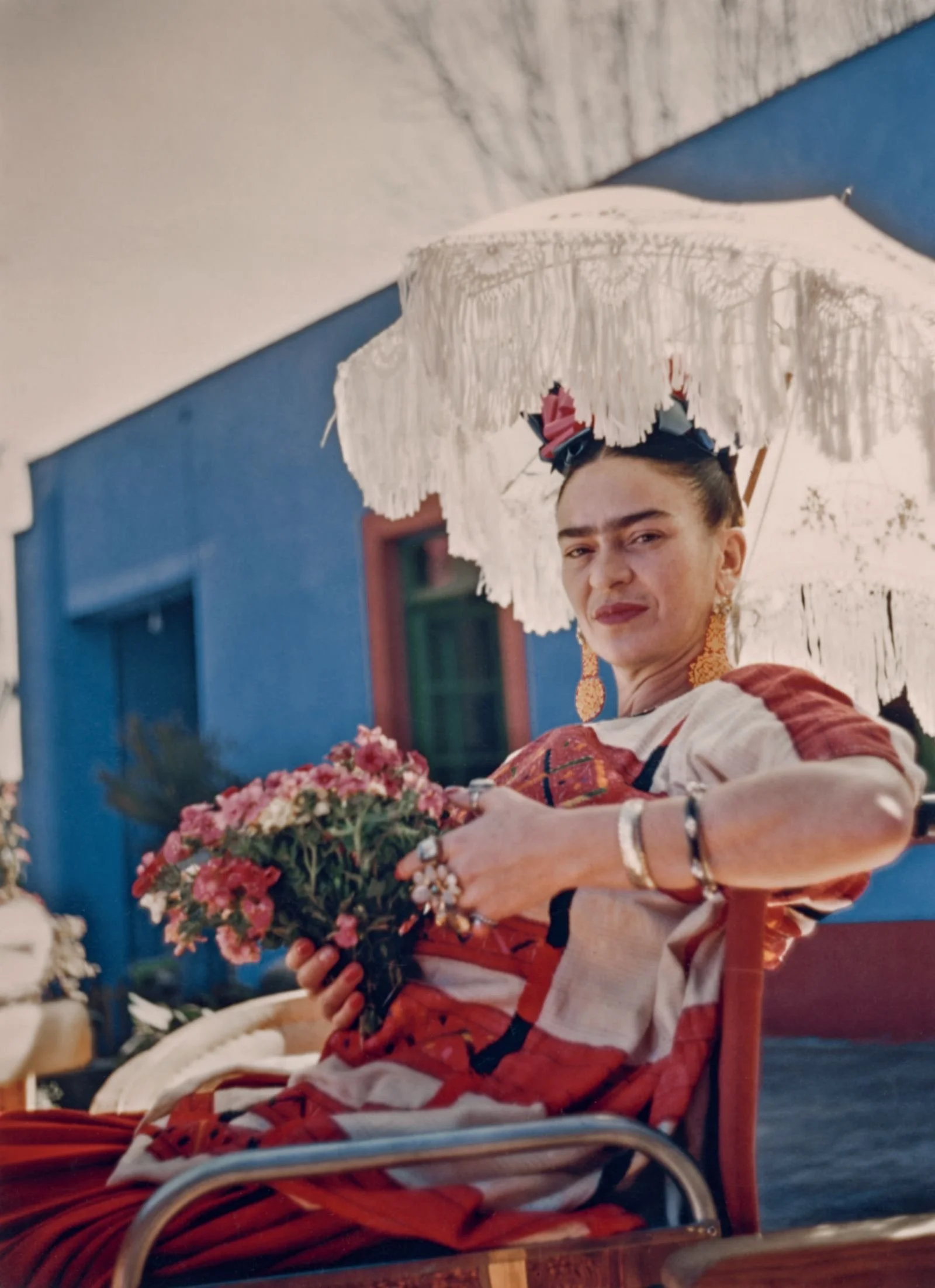
That devotion shows up in the smallest details of her life too. She loved traditional Tehuana dresses, favored for their bold embroidery and their connection to the strong, matriarchal culture of Oaxaca. She filled her home with Mexican folk art, painted furniture, papier mâché figures, ceramics and textiles collected from markets across the country. Alongside Diego Rivera, she also gathered an extensive collection of pre Columbian pieces, objects she believed carried the soul of Mexico's ancient civilizations. For Frida, being Mexican wasn't a background detail. It was the whole point, the lens through which she saw herself and her art.
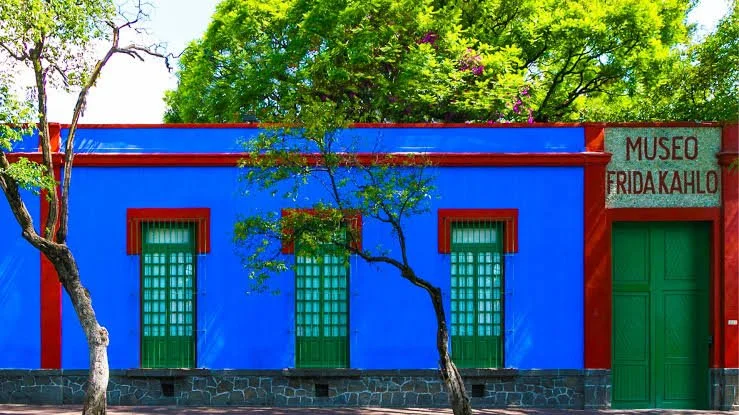
If her story caught your attention, there's plenty to see around the city that still carries her spirit today. La Casa Azul in Coyoacán is where it all began and ended, the house where she was born, lived with Diego Rivera and eventually died. Today it holds the largest and most intimate collection of her personal world, from her clothing and jewelry to letters, sketches and the corsets she decorated during her long recoveries.
Many tickets to Casa Azul also include entry to Museo Anahuacalli, the striking volcanic stone building Diego Rivera designed himself to house his personal collection of pre Hispanic art, a project deeply tied to the couple's shared love for Mexico's ancient roots.
For more of her paintings, El Museo de Arte Moderno in Chapultepec holds Las dos Fridas, considered one of her most important and emotional works, and one that's absolutely worth seeing in person. The piece captures her in duality, one version dressed in European clothing, the other in traditional Mexican dress, a visual reminder of the two identities she carried within her.
Her bed itself became one of the most powerful symbols in her work, the setting for many of her self portraits and a witness to the physical pain that shaped so much of her art. She painted El sueño (La cama) in 1940, a year defined by her turbulent relationship with Diego Rivera and her ongoing health struggles, with a skeleton hovering above the bed as a reminder of mortality rooted in Mexican tradition. The painting stayed in the same private collection for 45 years before it sold at Sotheby's New York for 54.7 million dollars, the most ever paid for a work by a woman artist at auction, a reminder that the world is still catching up to how much Frida had to say.

Between the art, the history and the neighborhoods that shaped her, spending a day tracing Frida's Mexico City is one of the best ways to understand why she loved this country so deeply. Coyoacán alone is worth a slow afternoon, with its cobblestone streets, plazas and the same markets that once inspired her work.
Come stay close to it all. Book your room at La Palomilla Bed and Breakfast lapalomillabnb.com 💛