
Mexican Hospitality: The art of making everyone feel like family
Ask anyone who has spent time in Mexico what surprised them most, and the answer rarely has to do with the food or the ruins. It has to do with the people. There is a particular kind of warmth here that is hard to explain until you have felt it firsthand, the sense that within minutes of meeting someone, you have somehow already been folded into their circle.
It starts with a phrase almost every visitor hears sooner or later: mi casa es tu casa (my house is your house). It sounds like a simple courtesy, the kind of thing you might say to be polite, but in Mexico it tends to be meant literally. Show up at someone's home and you will likely be offered a chair, a plate, and probably a second plate before you have finished the first. Turning down food is its own small social event, met with genuine concern rather than a shrug.
Hospitality here is not a performance for guests. It is closer to a reflex. That reflex shows up just as strongly at the table as it does at the door. Meals in Mexico rarely end when the food does. What follows is the sobremesa, the stretch of time after a meal when everyone stays put, coffee gets poured, stories get retold, and the conversation wanders wherever it wants to go. There is no rush to clear the plates. The sobremesa is the whole point as much as the meal itself, a reminder that eating together is really an excuse to keep talking.
This idea that anyone can join the table extends well beyond family. Mexican gatherings have a way of absorbing people who technically were not invited. A neighbor passing by gets pulled in for a drink. A friend of a friend ends up staying for dinner. Nobody treats this as an inconvenience, because the unspoken rule is that a party is better with more people in it, not fewer.
Mexican celebrations also have an unusual range, and that flexibility is part of the hospitality itself. A quinceañera can bring together three generations of a family plus half the neighborhood for a full day of mass, dinner, and dancing that goes on for hours. A wedding might spill out into the street. But the same warmth applies to something as small as a Tuesday night carne asada in someone's backyard, six people, a cooler of beer, and a speaker playing whatever the host feels like. The scale changes, the welcome does not.
Visitors tend to notice that this same energy gets extended to them almost immediately, even without a shared language or a personal connection. Ask a stranger for directions in Mexico City and there is a decent chance they will walk part of the way with you rather than just point. Ask a shop owner a question and you might end up hearing a recommendation for their cousin's restaurant two blocks over. It is not that Mexicans expect nothing in return. It is that generosity here tends to come first, before any of that gets sorted out.
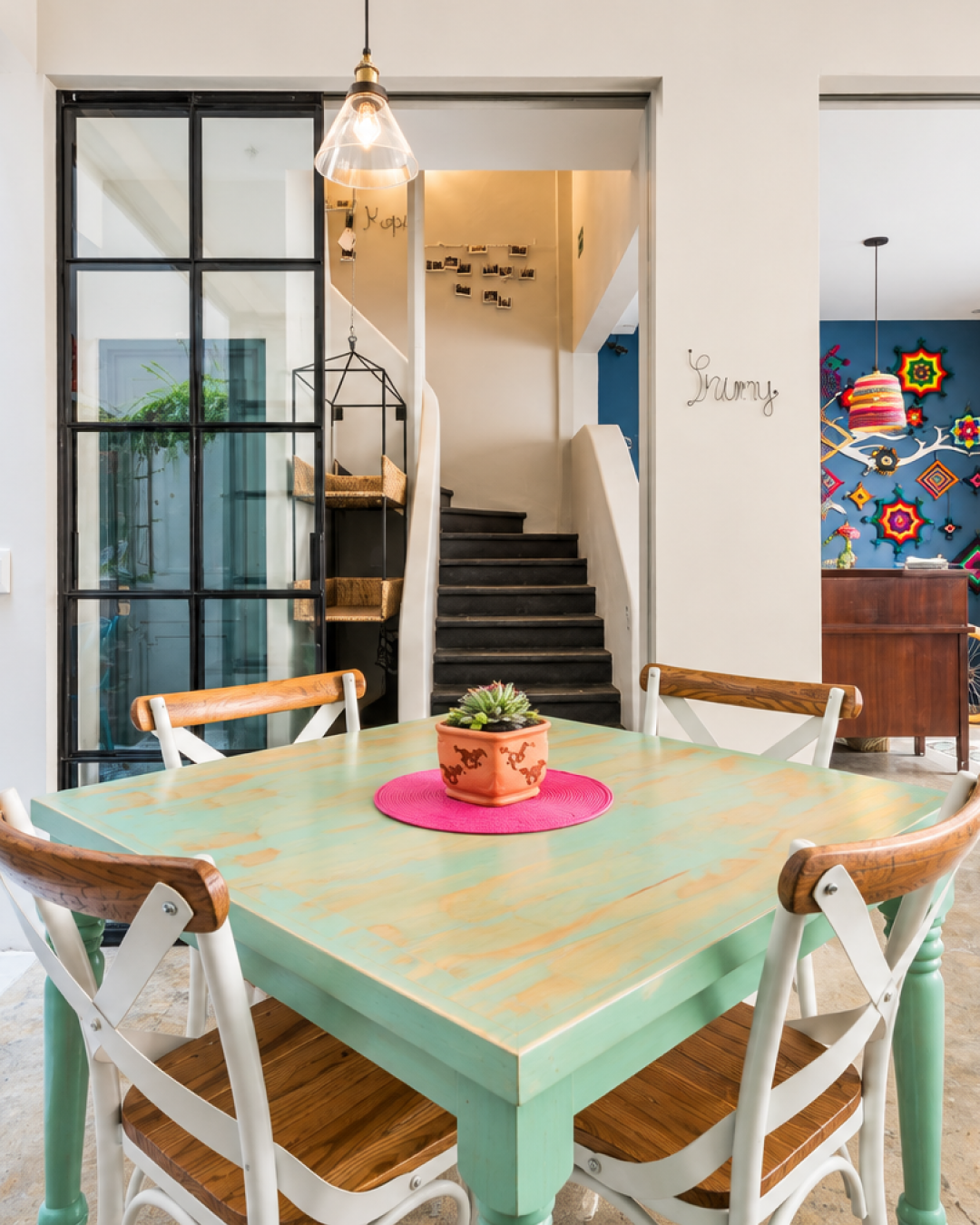
At La Palomilla Bed and Breakfast, this is the spirit we try to carry into every stay. Not hospitality as a checklist of amenities, but hospitality as it actually works in a Mexican home, where a guest becomes part of the household from the moment they walk through the door. Breakfast conversations turn into recommendations, staff turn into familiar faces by day two, and the goodbye at checkout tends to come with the same promise Mexicans have been making to guests for generations: the door stays open for whenever you come back.